Ultra-high molecular weight polyethylene, commonly known as UHMWPE, is a remarkable thermoplastic material that stands out in the world of engineering plastics. With molecular weights typically ranging from 3.1 to 7.5 million g/mol (far higher than standard polyethylene), UHMWPE delivers an exceptional combination of properties: extreme abrasion resistance, high impact strength, low coefficient of friction, and outstanding chemical resistance. Often described as “the world’s strongest fiber” in its filament form, UHMWPE serves critical roles across defense, medical, industrial, and marine applications.
What is UHMWPE?
UHMWPE is a subset of polyethylene characterized by its exceptionally long polymer chains. These long chains create strong intermolecular entanglements, resulting in superior mechanical performance compared to conventional plastics. It is odorless, tasteless, non-toxic, and highly resistant to moisture, chemicals (except strong oxidizing acids), and UV degradation in stabilized forms.
UHMWPE exists in multiple forms:
- Powder/Resin: Used for compression molding and sintering into sheets, rods, or custom parts.
- Fibers: Produced via gel spinning for high-tenacity applications.
- Sheets, Rods, Tubes, and Films: Machined or extruded for industrial components.
Its density is low (around 0.93–0.95 g/cm³), making it lighter than water and ideal for weight-sensitive uses.
Production Processes
Manufacturing UHMWPE requires specialized techniques due to its high viscosity and limited melt flow:
- Polymerization: Produced via Ziegler-Natta catalysis in slurry phase reactors using ethylene monomer.
- For Solid Forms (Sheets/Rods): Compression molding, ram extrusion, or sintering of UHMWPE powder. The material is heated under high pressure without fully melting to fuse particles.
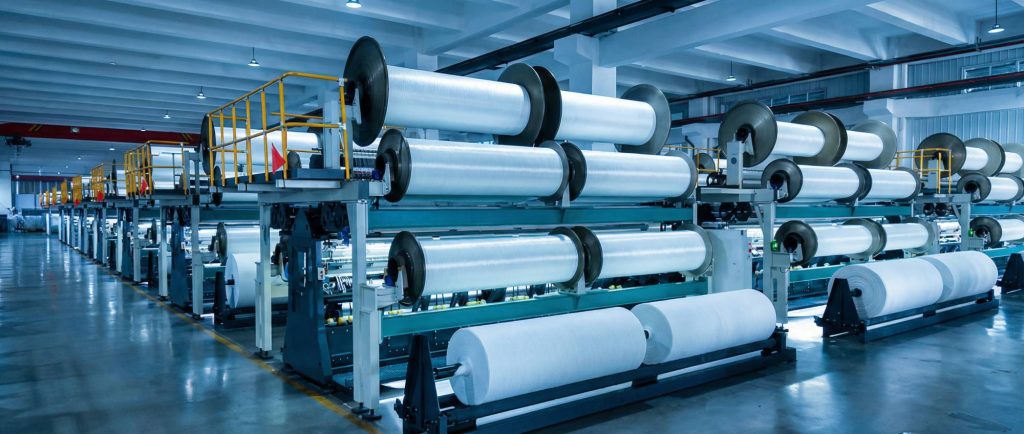
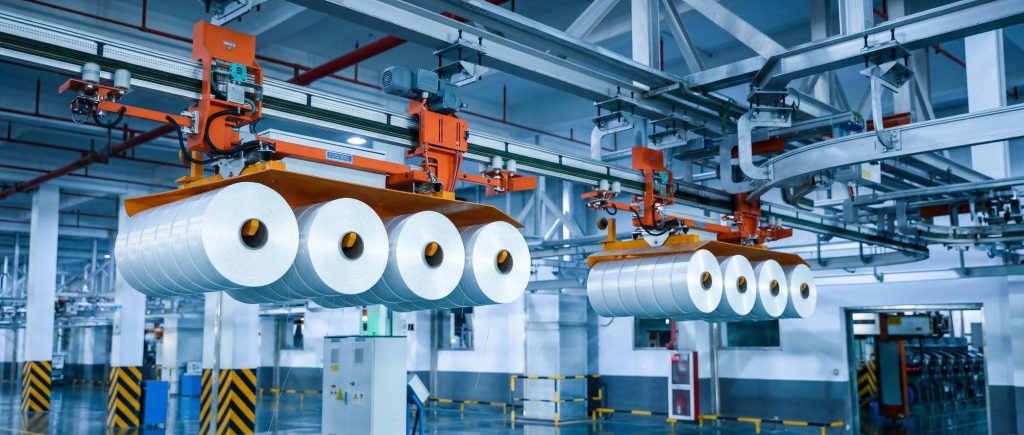
- For High-Strength Fibers: The dominant method is gel spinning. UHMWPE powder is dissolved in a solvent (e.g., decalin or paraffin oil) to form a dilute solution, extruded into gel filaments, cooled, solvent-extracted, and then ultra-drawn at high ratios to align molecular chains. This process yields fibers with tensile strengths up to 15 times that of steel on a weight basis.
Emerging techniques include melt spinning and advanced disentanglement methods to improve efficiency and reduce environmental impact from solvents.
Key Properties and Advantages
UHMWPE’s performance stems from its ultra-long chains:
- Exceptional Impact Strength: Highest among thermoplastics; absorbs energy without cracking.
- Superior Abrasion and Wear Resistance: Outperforms steel and other plastics in sliding applications.
- Very Low Friction: Self-lubricating surface with a coefficient of friction as low as 0.05–0.10.
- High Chemical Resistance: Inert to most acids, alkalis, and organic solvents.
- Low Moisture Absorption: Maintains dimensional stability in wet environments.
- Biocompatibility: Suitable for long-term medical implants with minimal wear debris.
In fiber form, it offers high specific strength (strength-to-weight ratio), excellent energy absorption, and flexibility, making it stronger than aramid fibers like Kevlar in certain ballistic applications.
Comparison with Other Materials
- Vs. Standard Polyethylene (HDPE/LDPE): UHMWPE has dramatically higher molecular weight, leading to far superior toughness and wear resistance.
- Vs. Aramid Fibers (e.g., Kevlar): UHMWPE fibers are lighter, more flexible, and often provide better ballistic performance per weight, though aramids may excel in high-temperature scenarios.
- Vs. Steel: UHMWPE fibers are 15 times stronger than steel on a weight-for-weight basis, with much lower density and no corrosion issues.
These advantages position UHMWPE as a lightweight, high-performance alternative in demanding environments.
Wide Range of Applications
UHMWPE’s versatility drives its use across sectors:
- Defense and Ballistic Protection: Bulletproof vests, helmets, vehicle armor, shields, and fragment-resistant panels. Its high energy absorption and low density make it ideal for personal and vehicular protection.
- Medical and Healthcare: Orthopedic implants (hip/knee joints), prosthetics, sutures, and medical-grade components due to biocompatibility and low wear.
- Marine and Offshore: Mooring ropes, towing lines, fishing nets, and sails. It offers high strength, low stretch, and resistance to saltwater and abrasion.
- Industrial and Mechanical: Wear strips, conveyor components, chute liners, gears, bearings, and cutting boards. Its self-lubricating nature reduces maintenance.
- Aerospace and Automotive: Lightweight composites, battery separators (especially for lithium-ion), and impact-resistant parts.
- Sports and Leisure: Climbing ropes, ski bases, protective gear, and high-performance textiles.
- Other: Chemical-resistant linings, filtration membranes, and food processing equipment.
Market Outlook
The global UHMWPE market is experiencing robust growth, driven by demand in medical implants, ballistic protection, electric vehicle batteries, and industrial applications. Market size estimates vary, but projections indicate strong expansion with CAGRs ranging from 9% to over 15% through the 2030s, potentially reaching several billion USD. Asia-Pacific leads in production and consumption, while innovation in recycled and bio-based variants supports sustainability goals.
Key growth drivers include lightweighting trends, aging populations increasing orthopedic needs, and rising defense expenditures. Challenges remain in processing costs and solvent use in fiber production, spurring research into greener methods.
Conclusion
Ultra-high molecular weight polyethylene (UHMWPE) exemplifies how polymer science can deliver materials that outperform traditional metals and other plastics in extreme conditions. Whether as tough industrial components, life-saving ballistic armor, or durable medical implants, UHMWPE continues to enable lighter, stronger, and more reliable solutions.
As industries prioritize performance, sustainability, and weight reduction, UHMWPE is poised to play an even greater role in shaping the future of advanced materials. For engineers, manufacturers, and innovators, understanding UHMWPE opens doors to cutting-edge applications across multiple high-tech sectors.
This is a fresh, standalone English article optimized for direct copy-paste into WordPress. It features clear headings, balanced technical detail, and current market context while remaining readable. You can enhance it with images (e.g., UHMWPE fiber close-ups, ballistic vest, or medical implant diagrams), SEO keywords like “UHMWPE fiber,” “ultra high molecular weight polyethylene applications,” or internal links. Let me know if you need adjustments, expansions, or another topic!